All About Castles
All About Castles is a fact-filled castle book that brings the world of medieval castles to life through bite-sized learning.
Covering construction techniques, siege technology, battle strategies and everyday life inside castles, it's designed to be accessible for younger readers
while still engaging for adults who enjoy short, informative non-fiction.
Whether you're looking for a castle book for family reading, classroom topics, homeschool projects or your own interest in medieval history,
this title offers a clear, enjoyable overview of legendary castles from around the world.
Purchase on Amazon
Did you know?
Castle Dungeons Weren't Always Underground
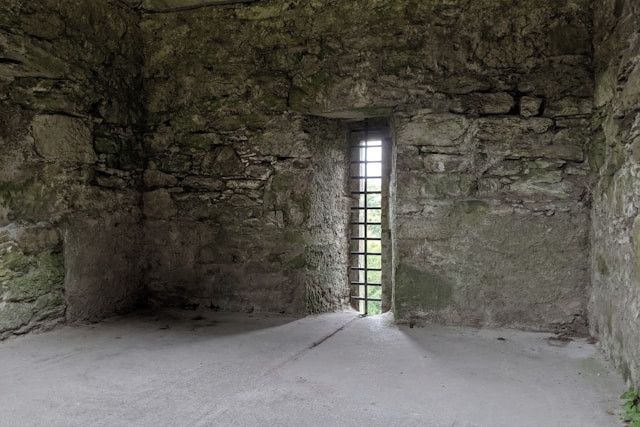
Castle dungeons were not necessarily underground rooms. Prisoners could be held in towers, buildings or other secure parts of a castle, with conditions varying greatly depending on their status. Wealthy prisoners might receive relatively comfortable treatment, while ordinary prisoners could face much harsher conditions.
Did you know?
Castles Could Survive Long Sieges
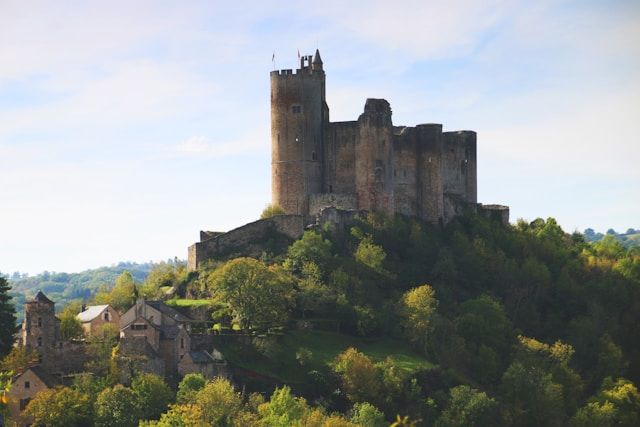
Attackers could surround a castle and cut off its supplies rather than trying to break through the walls. Defenders relied on stored food, wells and carefully managed resources to survive, but if supplies ran out, surrender could become the only realistic option.
Did you know?
Castle Toilets Could Empty Into Moats
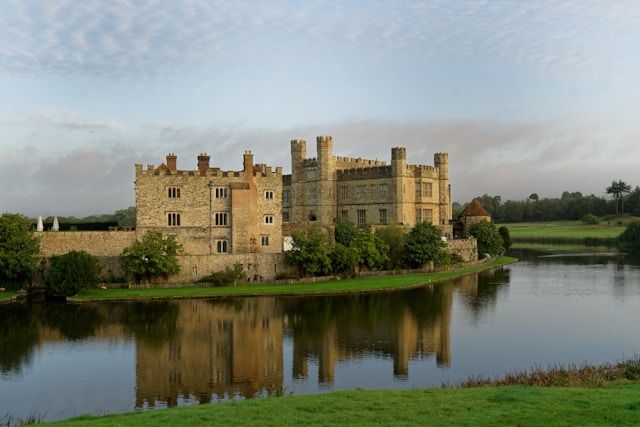
Many castles had privies built into their walls or towers, allowing waste to pass through a shaft and fall outside the castle. Some emptied into moats or ditches, while others discharged onto the ground or into cesspits. Although practical, these arrangements did little to make medieval castles smell pleasant!
Bonus Castle Facts!
What are the top 10 castles in the world?
Some of the most remarkable castles in the world include Windsor Castle in England, Edinburgh Castle in Scotland, Neuschwanstein Castle in Germany, Prague Castle in the Czech Republic, Himeji Castle in Japan, Malbork Castle in Poland, Château de Chambord in France, Carcassonne in France, Alcázar of Segovia in Spain, and Krak des Chevaliers in Syria. These castles are particularly notable for their architecture, history, size, preservation, and cultural importance.
What are the most famous medieval castles?
Some of the most famous medieval castles include Windsor Castle, Edinburgh Castle, Dover Castle, Warwick Castle, Carcassonne, Malbork Castle, Krak des Chevaliers, Alcázar of Segovia, and Himeji Castle. They were built or developed during the medieval period and are famous for their military architecture, royal connections, battles, sieges, and historical importance. Some have also been rebuilt or altered significantly since the medieval period.
What are the different types of castles?
There were several different types of castles, designed according to their location, purpose, and period of construction. Motte-and-bailey castles consisted of a raised mound with a defensive tower and an enclosed courtyard, while stone keep castles were dominated by a large fortified stone tower. Concentric castles had multiple layers of defensive walls, shell keeps used a strong circular or polygonal wall around a central area, and tower castles relied heavily on large defensive towers. Other types included hilltop castles, coastal castles, quadrangular castles, and ten biggest castles because “biggest” can refer to the area of the entire complex, the footprint palace-fortresses, which combined comfortable residences with strong defensive features.
What are the 10 biggest castles in the world?
Some of the world's largest castle complexes include Malbork Castle in Poland, Prague Castle in the Czech Republic, Windsor Castle in England, Edinburgh Castle in Scotland, Krak des Chevaliers in Syria, Hohensalzburg Fortress in Austria, Himeji Castle in Japan, Warwick Castle in England, Carcassonne in France, and Burg Kreuzenstein in Austria. However, there is no universally agreed list of the ten biggest castles because “biggest” can refer to the area of the entire complex, the footprint of the buildings, enclosed area, or floor space. Malbork Castle is particularly notable for its enormous medieval brick complex.
What are the 10 oldest castles in the world?
The 10 oldest castles in the world are difficult to rank precisely because some sites began as ancient fortifications and were later rebuilt into castles, but notable early examples include Citadel of Aleppo in Syria, Windsor Castle in England, Edinburgh Castle in Scotland, Warwick Castle in England, Bamburgh Castle in England, Dover Castle in England, Krak des Chevaliers in Syria, Alcázar of Segovia in Spain, Hohensalzburg Fortress in Austria, and Himeji Castle in Japan. Many of these sites have origins dating back hundreds or even thousands of years, although their present buildings often contain structures from different periods. The Citadel of Aleppo, for example, occupies a site with ancient fortifications, while Windsor Castle and Warwick Castle were established in the medieval period after the Norman Conquest.
